
Designing and Building a High-Speed Overland Amphibian

AZLK Amfibia KVV_EL

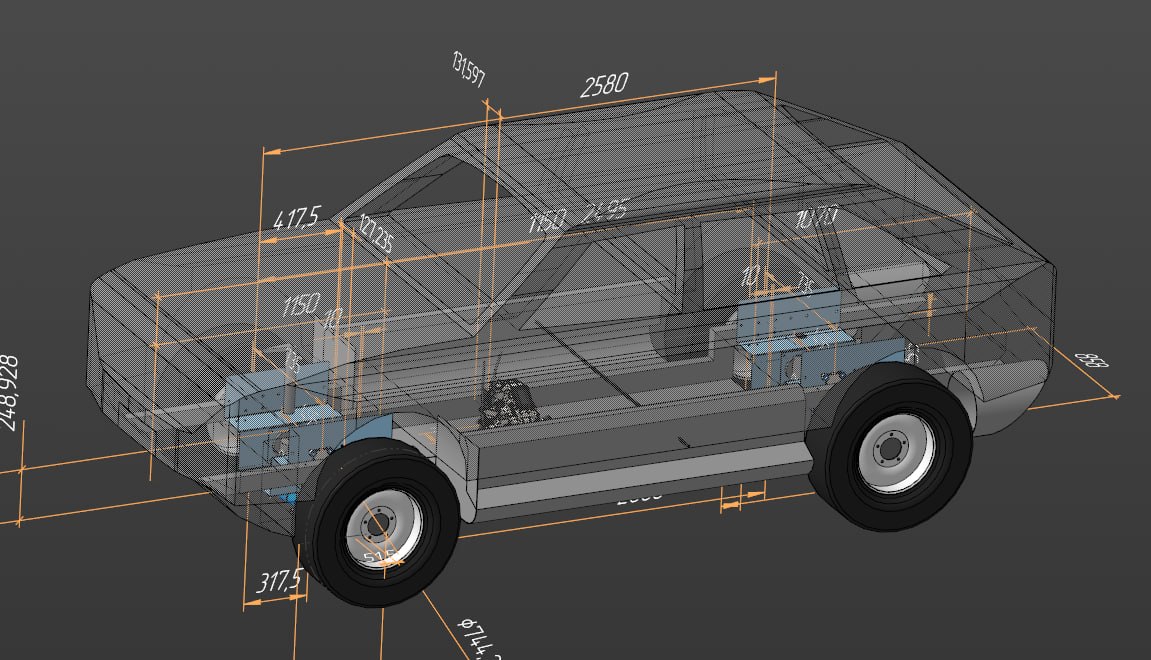
Creating an amphibious vehicle is always an exercise in compromise: boats handle poorly on asphalt, and automobiles are terrible swimmers. The goal of this project was to build an all-wheel-drive expedition vehicle capable of sustaining speeds of 100+ km/h on public roads, while also being able to navigate water and handle rough terrain. The philosophy is straightforward: use a Moskvich (AZLK) 2141 body shell and combine reliable, accessible donor assemblies (an UZAM engine and a Niva drivetrain) with a fully custom, watertight load-bearing steel displacement hull. The approach is to maximize the use of mass-produced stock components and minimize one-off custom parts. The packaging layout must allow straightforward repairs and servicing, while preserving maximum visual resemblance to the good old M2141.

Continue reading “Designing and Building a High-Speed Overland Amphibian”
Moskvich 2141 Amphibian Based on UAZ (Abandoned Project)

M2141 based on UAZ

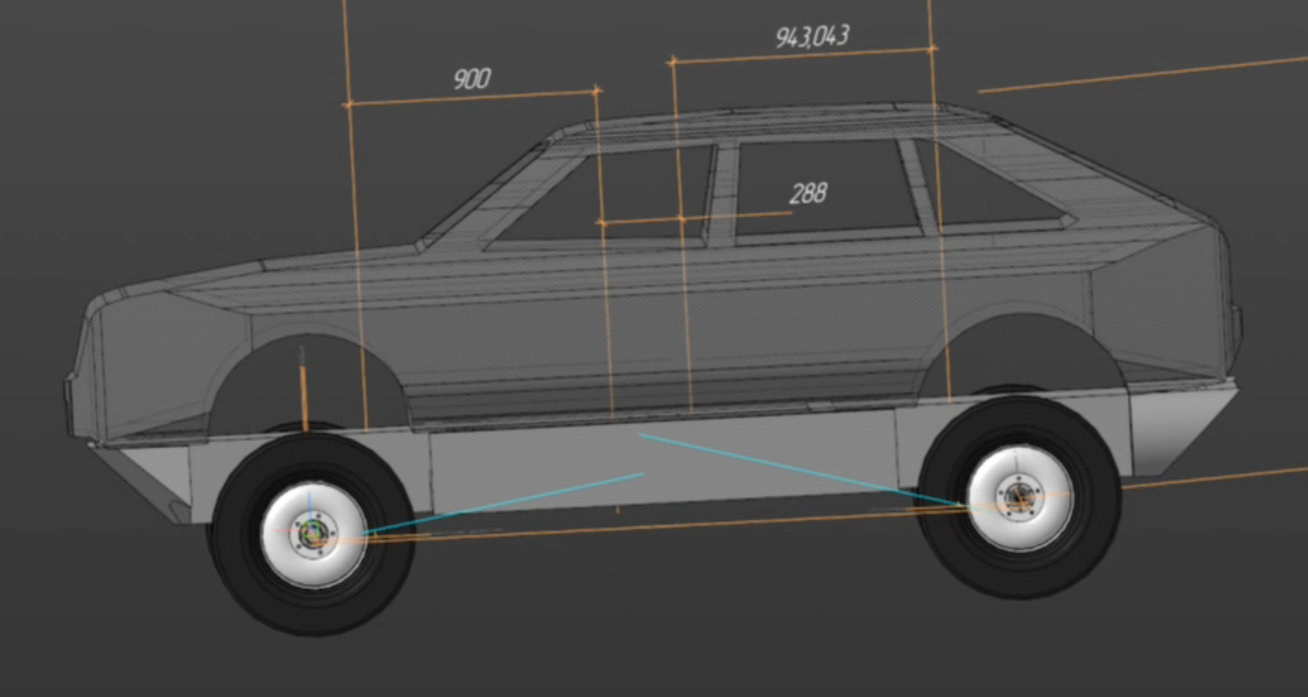
It all started with a good old Moskvich (AZLK) 2141 that had been sitting for 8 years after an accident and had rusted heavily — especially the floorpan, though the upper body shell remained in decent shape. The UZAM engine was in great condition and started easily in any weather. Selling it wasn’t interesting; restoring it seemed much more appealing. The initial decision was to try repairing and firing up the engine first. After 8 years of sitting, the engine came back to life. Once the brakes were rebuilt and a few adjustments were made, the car was drivable again. Its simplicity and reliability were its most attractive qualities. In this state, the car covered over 1,000 km with only a handful of minor issues — hardly surprising for a vehicle that had stood idle for so many years.

Since the core mechanical assemblies turned out to be solid, the next step was to decide on the direction of the build.

Continue reading “Moskvich 2141 Amphibian Based on UAZ (Abandoned Project)”

Transforming a GAZelle Minibus into a 4×4 Overland Camper using UAZ Axles

Gazel KVV_EL

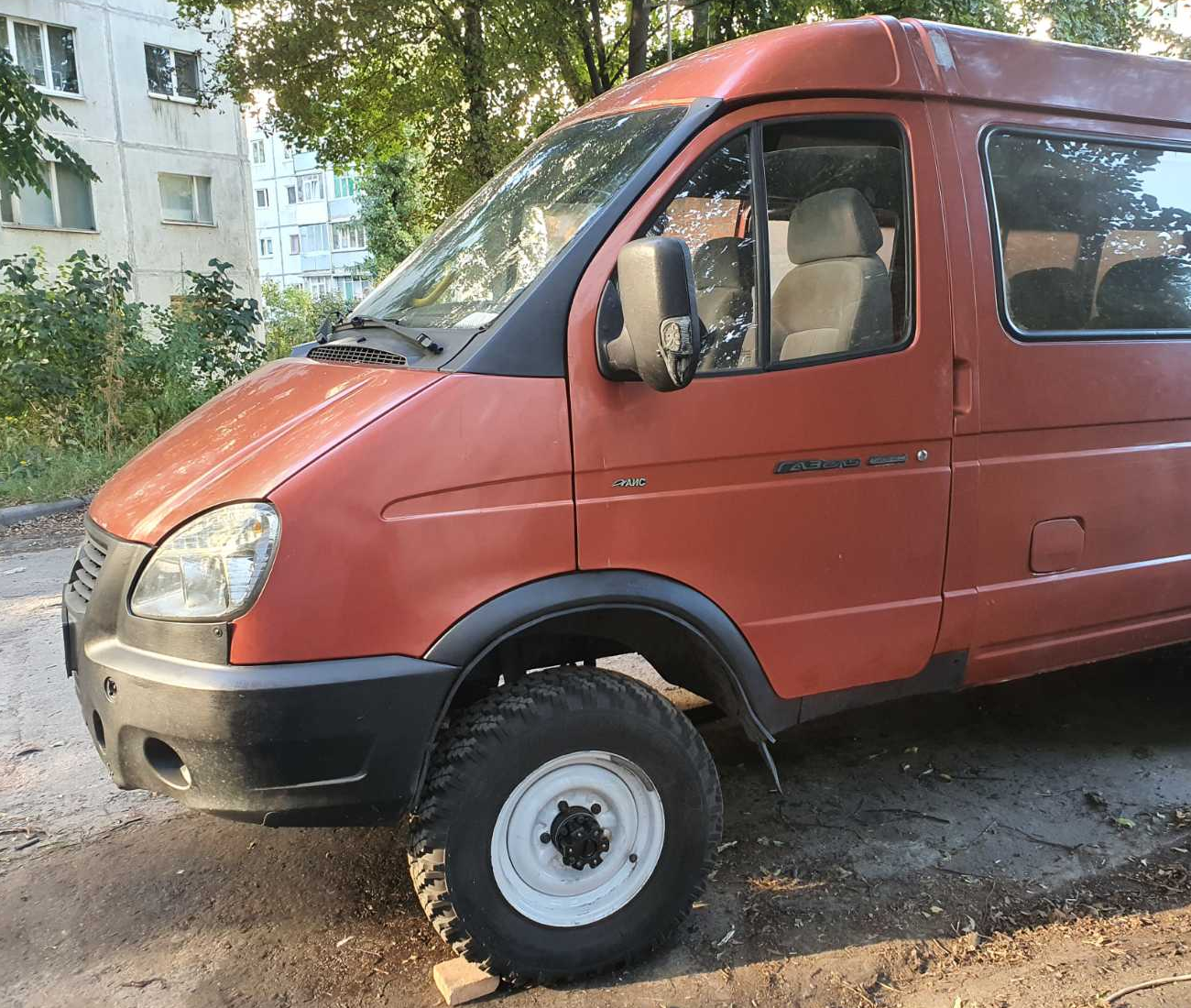
This project has a long and somewhat romantic backstory. I used to own a classic UAZ “Bukhanka” — a vehicle I invested a massive amount of time and effort into, and which suited my needs completely. After parting ways with it, I wanted a high-clearance, four-wheel-drive van. A classic body-on-frame SUV is great, but I wanted more interior space, while a standard commercial minibus offered zero off-road capability. Eventually, I was lucky enough to find a near-perfect base platform: a passenger GAZelle van in excellent condition, matching my driver’s license category, with an already installed LPG system (tank mounted outside the cabin) and the maximum registered seating capacity.

Project Objective: Building a four-wheel-drive vehicle on the GAZelle platform using simple, robust, and readily available mass-produced automotive assemblies, keeping one-off bespoke parts to an absolute minimum.

Continue reading “Transforming a GAZelle Minibus into a 4×4 Overland Camper using UAZ Axles”

Research Unit for Studying the Evaporation Rate of Flammable and Combustible Liquids under Variable Ventilation

Установка для исследования зависимости интенсивности испарения ЛВЖ и ГЖ от параметров вентилирования KVVEL

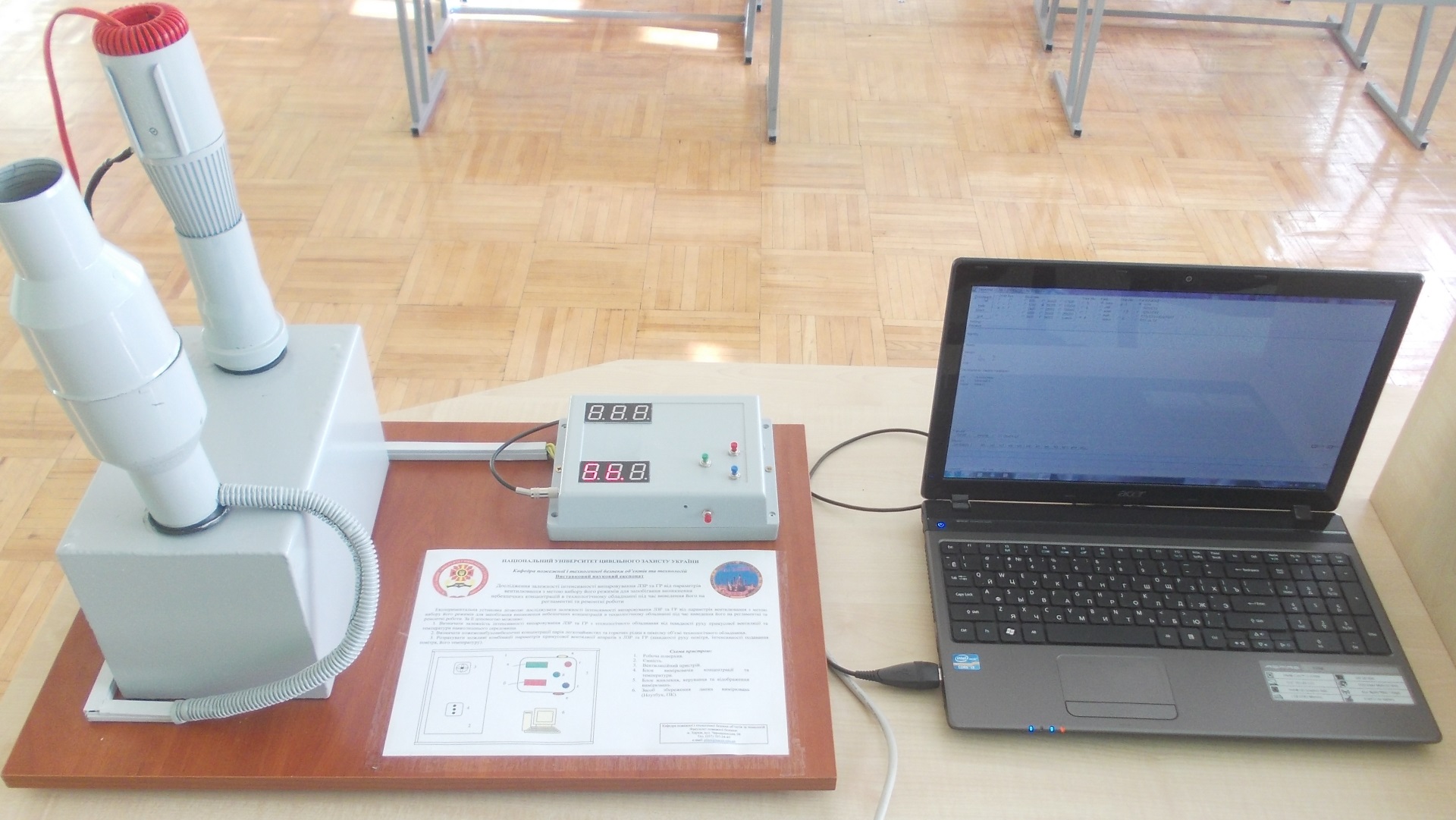
The Research Unit for studying the evaporation rate of Flammable Liquids (FL) and Combustible Liquids (CL) based on ventilation parameters (The Unit) is a specialized hardware-software complex. It is designed to investigate how the evaporation of FL and CL depends on various ventilation parameters. The ultimate goal of this research is to determine the optimal ventilation modes required to prevent the formation of fire and explosion hazardous concentrations inside industrial process equipment while it is being decommissioned for routine maintenance and repair operations. Continue reading “Research Unit for Studying the Evaporation Rate of Flammable and Combustible Liquids under Variable Ventilation”

KVV-2 Heat Fire Detector Testing Unit

Установка для испытания тепловых пожарных извещателей KVV-2

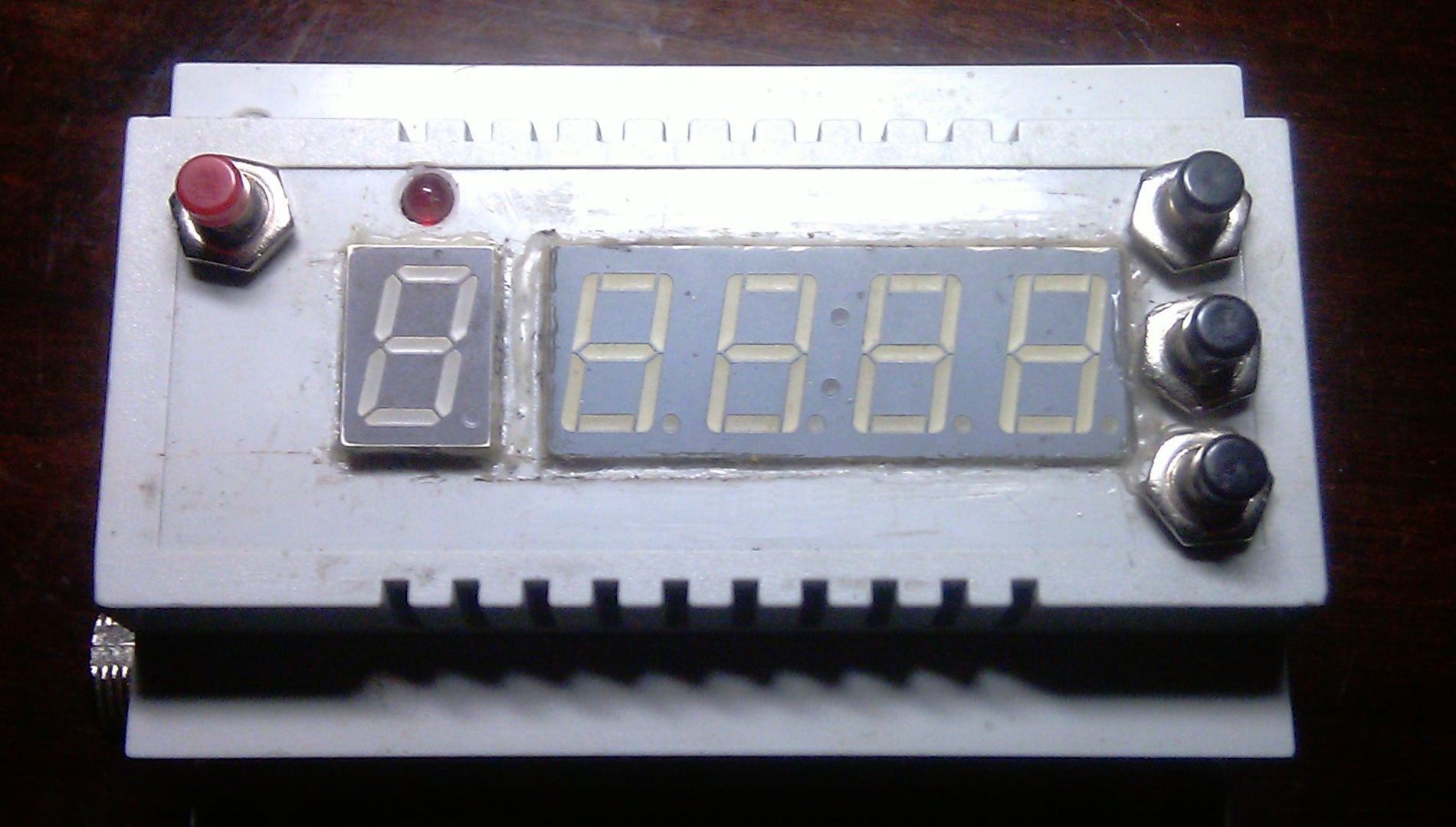
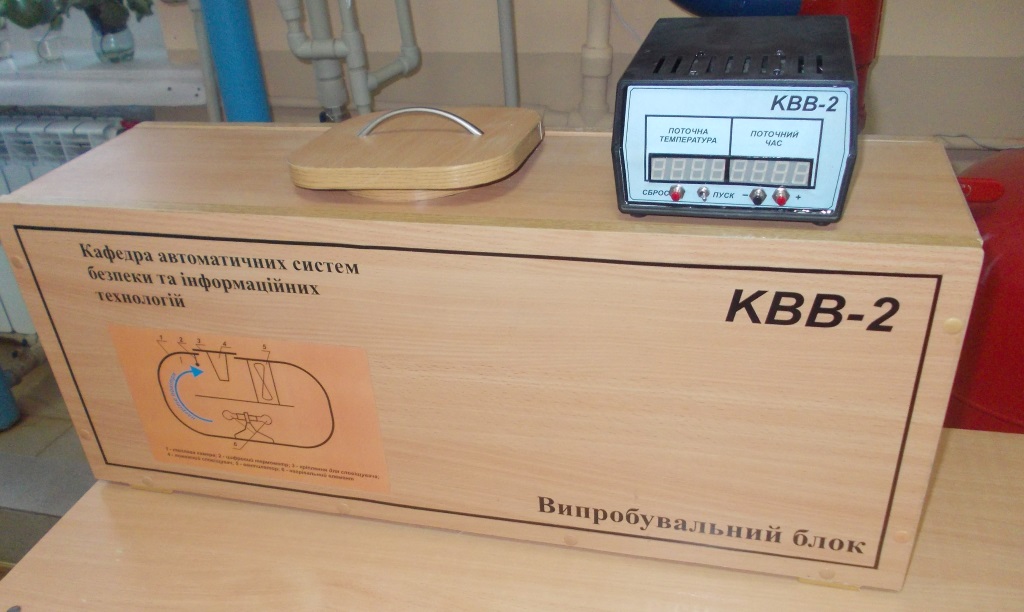
The Heat Fire Detector Testing Unit (KVV-2) is a portable hardware-software complex designed for testing point heat fire detectors (HFD) across a wide range of initial parameters (baseline temperature and rate of rise) with automated data logging. It enables testing of HFDs for compliance with EN 54-5:2000 (Fire detection and fire alarm systems. Part 5: Heat detectors – Point detectors). Furthermore, the unit allows input parameters to be set over a broader range than specified in the standard, facilitating deep-dive R&D research into detector characteristics. The system supports testing for both current-consuming and dry-contact heat detectors. Continue reading “KVV-2 Heat Fire Detector Testing Unit”